Production and Cycle Testing
We time harvest cycles, measure freezer temperature, and watch a full fill and freeze cycle when possible. That testing shows whether the problem is water flow, temperature, or the maker.
No cubes for morning smoothies, hollow ice that melts in minutes, or a bin that stopped filling before a party. We repair in fridge and standalone ice makers across Oakland, find the cause fast, and restore steady, clean ice production you can count on.
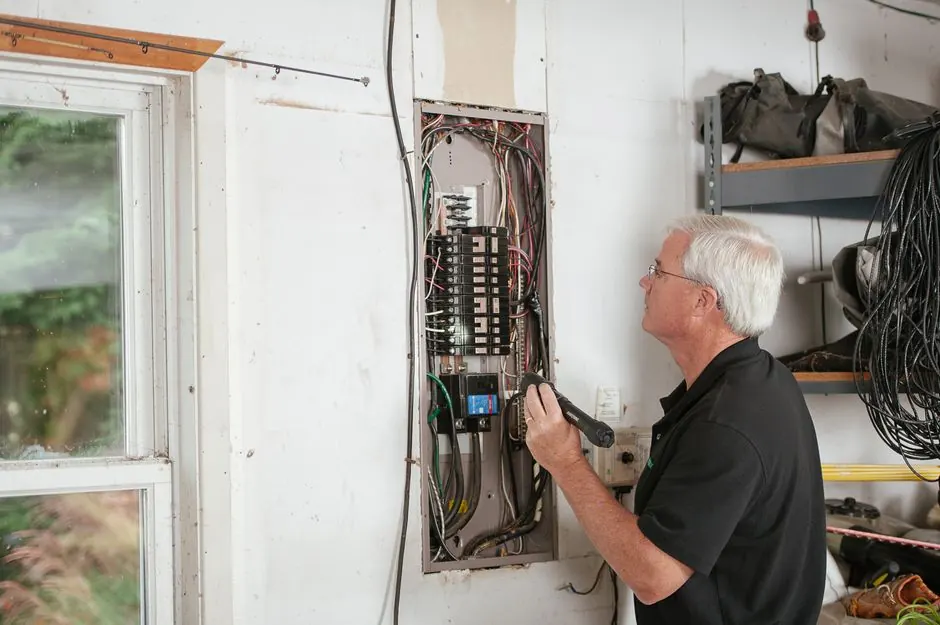
Ice makers work harder in Oakland than most people realize. In Lake Merritt apartments, Adams Point condos, and family homes in Maxwell Park, the ice maker is often the most used part of the refrigerator during warm East Bay afternoons, backyard gatherings, and game day routines that fill coolers and pitchers all at once. Oakland water can leave mineral scale in fill tubes and valves over time, and that slow buildup is a common reason cubes get small, hollow, or stop entirely. Renters in older buildings near Downtown also deal with low water pressure and aging shutoff valves that starve an ice maker without any obvious leak in the kitchen or any warning at all. Weekend entertaining and warm evenings on patios around the lake make that demand even heavier for many households here.
Standalone undercounter ice makers add another pattern. They are popular in remodeled kitchens in Crocker Highlands and Piedmont Avenue homes, plus small cafes and offices that need a steady supply without a full size machine. Those units need clear drainage, ventilation, and regular cleaning to keep making clean tasting ice. When production slows, owners often assume the whole machine is finished, but many Oakland calls trace back to a scaled inlet, a tired pump, a dirty condenser, or a sensor fault that can be repaired. A proper diagnosis separates a simple service issue from a true refrigeration problem before you spend on replacement, and it tells you how long a repair should realistically last for your household. That local context matters when choosing parts and settings.
An ice maker visit covers the full system behind the cubes, including water supply, temperature, maker mechanics, and bin operation, so a slow or silent unit gets a real diagnosis rather than a quick reset.
We time harvest cycles, measure freezer temperature, and watch a full fill and freeze cycle when possible. That testing shows whether the problem is water flow, temperature, or the maker.
Mineral scale is common in fill valves and tubes. We check inlet pressure, filter condition, and valve operation, and inspect supply connections for slow leaks behind the unit.
From worn maker assemblies and faulty motors to cracked bins and jammed augers, we repair the moving parts that eject and store ice and replace only components that test bad.
Standalone units get pump, drain, and condenser checks plus cleaning guidance. Proper drainage and airflow are essential for these machines, and small service fixes often restore full daily production.
Tell us if production stopped suddenly, slowed over weeks, or came with leaking or odd taste. That timeline, plus your refrigerator or undercounter model, points the diagnosis in the right direction from the start.
We check freezer temperature, water pressure, filter condition, and maker cycle signals in your kitchen. For undercounter units we also inspect drainage, ventilation, and pump operation before recommending any part replacement.
You receive a plain explanation of the failed part or supply issue and a firm price for the repair. Nothing is fitted until you approve it, and we will flag if replacement makes more sense.
We replace the valve, maker, pump, or other failed component, clear frozen lines using safe methods, and run the unit to confirm it fills to the correct level and begins freezing normally again.
We confirm the bin is seated, check every connection for leaks, and review filter changes and cleaning intervals with you. Fresh ice typically follows within hours as normal cycles resume in the freezer.
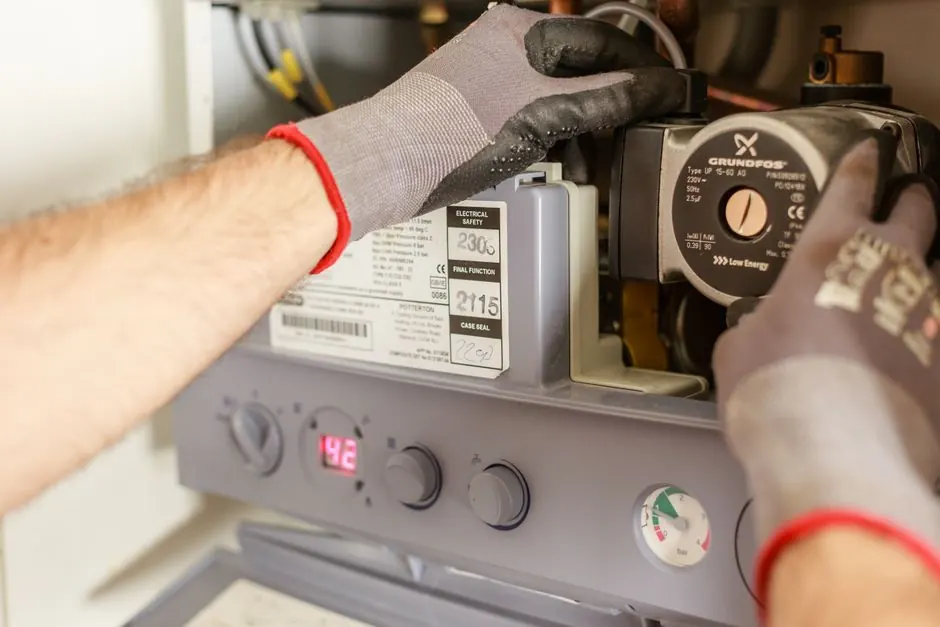
Tell us if production stopped suddenly, slowed over weeks, or came with leaking or odd taste. That timeline, plus your refrigerator or undercounter model, points the diagnosis in the right direction from the start.
Ice problems tend to follow clear patterns. Here are the complaints Oakland households call about most, and the causes a technician checks first during a visit.
Call Now (510) 977-9023A silent ice maker with an empty bin can result from a paused shutoff arm, a failed inlet valve, a frozen fill tube, or the maker motor quitting. In Oakland homes, mineral buildup in the valve is a frequent cause. Testing flow separates a supply problem from a dead assembly.
Cubes that look like thin shells or melt almost instantly usually signal low water volume during the fill cycle. A clogged filter, scaled valve, or low household pressure can starve the mold. Correcting flow and verifying fill time restores solid cubes that chill drinks properly instead of melting away.
Water on the kitchen floor, ice sheets in the freezer, or a bin frozen into one solid block often point to an overfilling maker, a cracked mold, or a misaligned fill tube. Leaks deserve quick attention because they reach hardwood and cabinet bases fast in older Oakland kitchens.
An auger grinding against a jammed clump, a motor straining to eject stuck cubes, or repeated clicking from the dispenser all mean moving parts are under stress. Old clumped ice is sometimes the only culprit, but worn gears make the same noises, so persistent noise is worth checking.
Start with these safe, no tools checks that solve a surprising number of ice complaints. Avoid removing water lines, opening sealed panels, or testing live electrical parts, and call us if production does not return.
Many in fridge ice makers have a wire arm or a switch that pauses production when the bin is full. Make sure it is in the on position and not blocked by food. If it was off, allow a full day for production to resume.
Remove the bin, discard clumped or stale cubes, and slide the bin fully back into position. Misaligned bins can keep the maker switched off or block the fill chute. Break up clumps by hand rather than with a knife, which can crack the bin.
Ice makers cycle slowly when the freezer is warmer than about ten degrees. Check the setting and use a thermometer to confirm. Avoid overpacking the freezer or blocking vents with pizza boxes, since poor airflow raises temperatures and slows every harvest cycle through the day.
If your refrigerator has a water filter, note when it was last changed. A clogged filter reduces flow to the ice maker and makes small or hollow cubes. Replace it only with the correct filter for your model, following the maker instructions for flushing.
Call a professional if you see water pooling under the refrigerator or undercounter unit, the maker leaks after every cycle, the bin freezes into a solid mass, or you hear grinding that does not clear after emptying clumped ice. Also call when a new filter and correct temperature do not restore production within a day. Water supply and electrical faults inside these units need proper testing, and early repair prevents floor damage and larger refrigerator problems.
$129 - $299 depending on scope
Most ice maker jobs range from $129 to $299 depending on scope, and that spread reflects how different these repairs can be. Clearing scale, replacing an inlet valve, or fitting a new maker assembly each involve different parts and labor, and a standalone undercounter unit takes more access work than a maker inside a French door refrigerator. We test the water supply, temperature, and cycle first, then quote the complete repair for your approval before ordering or fitting any part, so you always know the total in advance.
Owners often ask whether to repair a refrigerator ice maker or simply use trays. If the refrigerator itself cools well, repair usually makes sense, since the maker is a replaceable module with a long service life once water flow is corrected. For older undercounter machines, we will be direct when a pump or refrigeration fault makes replacement the better value. Keep your model number and a note of when production changed, and mention any leak right away when you call (510) 977-9023, because active water changes the priority of the visit.
Straightforward fixes like a sensor or switch cost less than sealed system or control board work.
Call Now (510) 977-9023Replacement part cost and availability vary by brand and model, and we confirm the price before any work starts.
Call Now (510) 977-9023Jobs that need more diagnostic time or careful built-in removal take longer, which affects the final labor total.
Call Now (510) 977-9023Most ice maker repairs range from $129 to $299 depending on scope, whether the unit is inside a refrigerator or a standalone undercounter model, and which part has failed. Valves, pumps, and maker assemblies price differently. We test first and quote the full job for your approval before any part is replaced.
Yes, same day and urgent appointments are often available across Oakland, and a leaking ice maker should be treated as urgent because water damages floors and cabinets. Turn off the water supply to the unit if you can do so safely, mop up standing water, and call (510) 977-9023 for the earliest visit we can offer.
Small, hollow, or slow cubes usually mean low water flow, a clogged filter, mineral scale in the inlet valve, or a freezer that is not cold enough. Each cause needs a different fix. A technician measures flow and temperature, inspects the valve and fill tube, and restores full size cubes without guessing at parts.
Yes, we repair standalone and undercounter ice makers as well as in fridge units. Undercounter machines have their own pumps, drains, and cleaning needs, and they often slow down from scale or poor ventilation. Tell us the brand and where the unit is installed when you book so we bring the right tools and parts.
Bad taste often comes from an old filter, stale ice sitting too long, or food odors absorbed in the bin. Empty the bin, wash it with mild soap, replace the filter if it is due, and let fresh batches replace the old supply. If taste stays poor after that, we can check for scale and drainage issues.
Whatever badge is on the door, our technicians work on it. See the full list on our brands hub.
Based in Oakland and working across the city every day. See all coverage on our locations hub.
Tell us what your appliance is doing and we will take it from there, with clear options before any work begins.
Call Now (510) 977-9023We invite you to reach out for any appliance repair needs. Our team is available Monday to Friday, 8am to 6pm, and we typically respond within a few hours.